Cost of pothole damage rises to £1.7bn after two-year drop
| 19 March 2025, 07:56
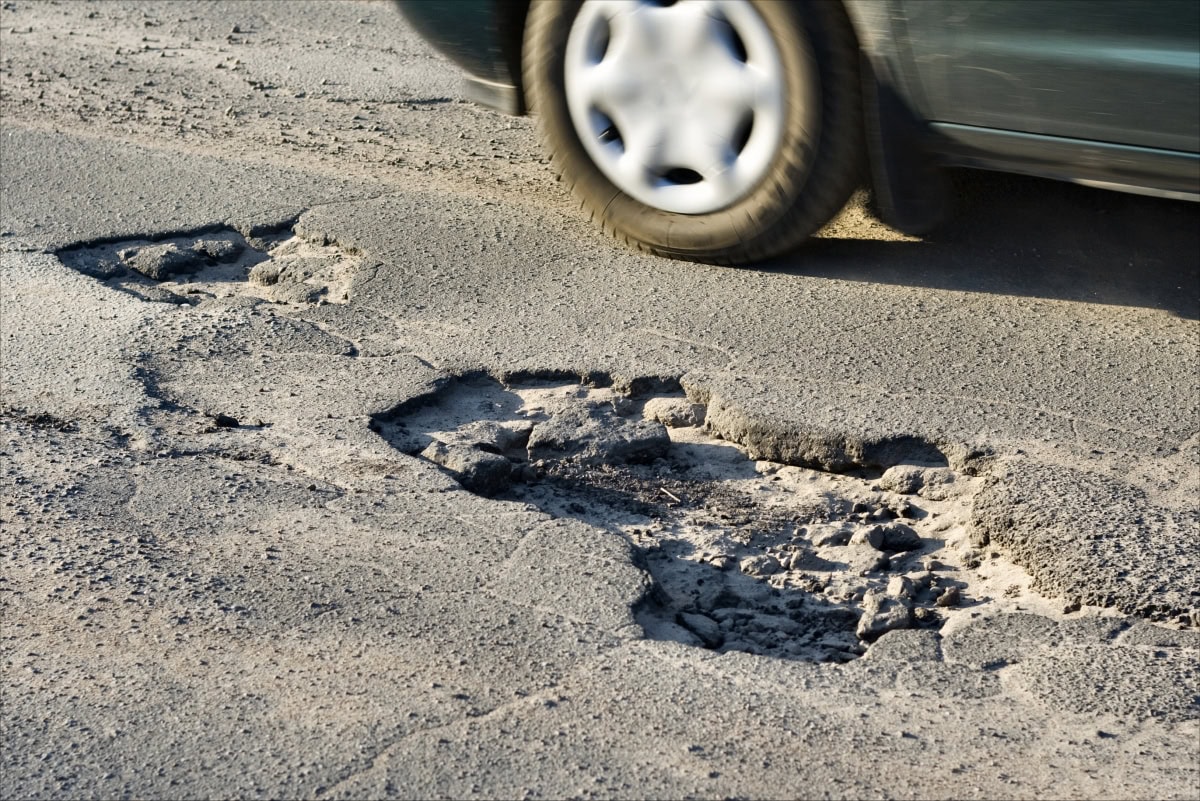
New data has revealed that the overall cost of pothole damage increased last year after two years when costs fell.
According to Kwik-Fit’s Pothole Impact Tracker (PIT) report, the past 12 months have seen the nation’s drivers face a total bill of £1.7 billion in repairing damage to their cars caused by potholes.
The average repair bill faced by drivers is the highest since the company began tracking the cost in 2013. Drivers had to fork out an average of £144 in 2024, up from £120 in the previous year.
As well as the average repair cost going up, there was an increase in the number of drivers facing the highest bills. During the past year, over 1 million drivers have had to stump up more than £300.
Kwik Fit’s data includes all cars suffering pothole damage, not just those which have to be recovered from the roadside, but also those that can be driven to a garage. The most commonly damaged components over the last year were tyres (in 38% of repairs), suspension (28%) and wheels (22%).
With advanced driver assistance systems (ADAS) becoming commonplace on vehicles, potholes are having a knock-on effect beyond the immediate components damaged by the impact. Almost half (48%) of cars needing repairs also needed wheel alignment and a third (34%) required the ADAS system to be recalibrated, adding further cost. An increasing number of cars are fitted with large wheel sizes, with tyre damage more costly for drivers of those vehicles.
The vast majority of the nation’s repair bill has come directly from drivers’ pockets, with 70% funding repairs themselves. One in six (16%) have claimed on their car insurance, while 7% said they were covered by separate tyre insurance policies, such as Kwik Fit’s Tyrecare. Kwik Fit’s research found that just 6% had claimed compensation from the local authority responsible for the road.
More than half (51%) of drivers believe that the roads in their area are in a worse condition than they were 12 months ago, with only 16% thinking they are better. The majority of drivers are also pessimistic about their immediate prospects. 62% say they don’t expect the roads in their local area to improve in the near future, despite the additional funding recently announced by the government.
Dan Joyce, operations director at Kwik Fit, said: “It’s concerning to see that the downward trend of the last two years has gone into reverse in the latest figures. Anything which adds unnecessary costs to motorists is especially unwelcome in the current economic climate but even the financial burden is outweighed by the risk to safety.”