Government aims to ‘curtail’ out-of-area working in PH bill
| 24 November 2026, 13:07
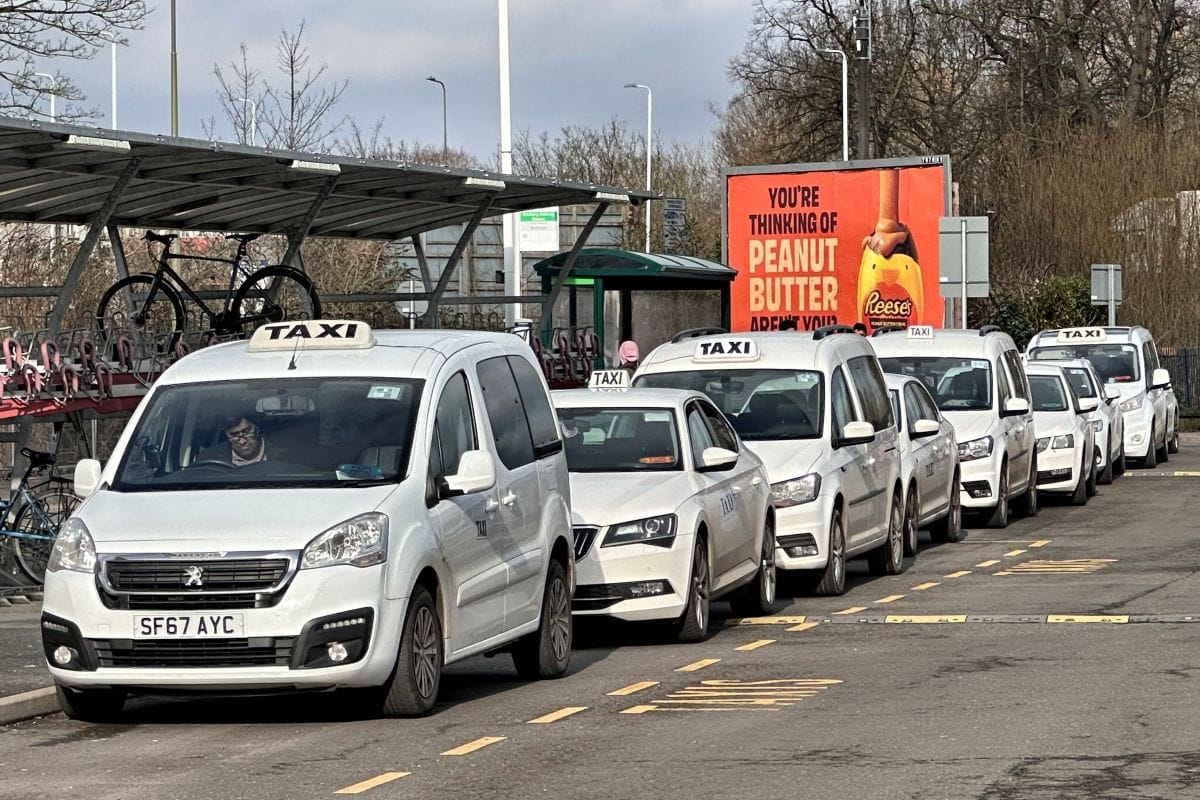
The Department for Transport has published its response to the Transport Committee’s report on taxi and private hire licensing, which was published in June.
The DfT addresses 19 recommendations made by the Transport Committee, which are broadly supported by the government. These include stronger national standards for safety, safeguarding, driver training and accessibility, while retaining some local flexibility.
The DfT also said it would address inconsistent licensing standards and wants to reduce incentives for drivers and operators to work predominantly outside their licensing area. The government said it would publish a draft Taxis and Private Hire Vehicles Bill for pre-legislative scrutiny.
The Transport Committee recommends that future legislation uses the Law Commission’s 2014 draft Bill and the Task and Finish Group report from 2019 as a starting point, updated to cover app-based operators. It also calls for a framework that keeps taxis and PHVs distinct.
The Government agreed with this proposal, stating that the 2014 draft Bill was a strong foundation and that the taxi/PHV distinction will remain in its draft Bill.
The Government noted that the two previous attempts at legislating the sector had a number of differences: the Law Commission proposed a flexible national framework with fewer limits on where journeys take place, whereas the Task and Finish Group proposed tighter out-of-area controls and powers to cap vehicle numbers. The Government said it would draw on both and adapt them to the current market.
The Committee called for a clear plan to “curtail out-of-area working” and create greater incentives for drivers to license in the locality in which they operate, so that authorities can more easily use enforcement powers.
The Government agreed that the current system was a “patchwork” that encourages “license shopping” in areas with lower standards, faster processing or lower fees.
It points to proposals for national standards and a consultation on moving licensing to local transport authorities, thus reducing the number of licensing authorities, as a way to address this.
The government response also noted that the English Devolution and Community Empowerment Act lets any local authority immediately suspend a license in the interests of public safety, wherever the driver is licensed. Guidance on using this power will follow.
However, the government said it would will weigh any limits on cross-border working carefully, recognising that there is a relationship between restrictions on cross-border working, service availability, and passenger safety. This suggests a blanket ban on out-of-area operations is not being considered, which will come as a relief to operators who feared the dreaded “ABBA principle” might make a reappearance.
The government said any measures that significantly restrict journeys across licensing boundaries could reduce vehicle availability in some areas, increase waiting times, and make it harder for passengers to access transport when and where they need it. It cites the Suzy Lamplugh Trust’s emphasis on balancing safety and provision.
The issue of National Standards is covered extensively. Despite assurances from the transport committee chair, Ruth Cadbury MP, the word “minimum” appears as Recommendation 4 in the document: “The government’s plan for national minimum standards must not mean low by default.” Variations between licensing areas should be minimised and standards set high, in order to avoid “license shopping”.
The Government noted the recommendation, and said the English Devolution and Community Empowerment Bill gives the Secretary of State powers to set national standards for taxis and PHVs.
The government maintained that these standards will be clear, enforceable and set at an appropriately high level, with some local flexibility. Core safety and safeguarding requirements will be set nationally.
The government pledged to include safeguarding training and DBS recheck frequency in national standards and said work to create a national licensing database was progressing.
The Government will include the issue of mandatory in-cab CCTV in the national standards consultation, due by the end of the year. It will balance safeguarding against privacy and data protection.The government also agreed that standards for English proficiency should be “proportionate”.