No change for fuel duty or charge point VAT in Chancellor Reeves’ 2026 Spring Statement
| 3 March 2026, 17:46

Chancellor Rachel Reeves has rejected calls from motoring groups to reverse rises in fuel duty and cut VAT on public EV charging.
The Chancellor announced there would be no U-turn on either of the previously-announced policies, despite fears that US and Israeli attacks on Iran would force up petrol prices. Already there is evidence that pump prices are rising on account of the conflict, and there are fears there could be an outbreak of panic buying.
Announcing a Spring Statement focusing on stability and economic growth, Chancellor Reeves said in her Autumn Budget announcement that the 5p per litre fuel duty cut would remain in place until August 31, 2026, but made no further comment about whether or not the cut would be extended beyond that date.
Pressure groups had been clamouring for a further cut, with FairFuelUK claiming it was a “missed economic growth opportunity”. FairFuelUK founder Howard Cox said: “With refineries, oil tankers and the Straits of Hormuz being targeted, oil prices will continue to climb relentlessly. A barrel of crude is, at the time of writing, already over $84 (March 3). This will add 5-10p per litre in the next week or so. A sustained rise in Brent to $100 could add 10-20p per litre to petrol and diesel within weeks, based on historical patterns – similar to the surges seen in 2022 when oil hit $120 amid the Ukraine invasion.”
The Petrol Retailers Association also called for the Chancellor to abandon any fuel duty increases. Executive director Gordon Balmer said: “The conflict in the Middle East has increased the wholesale cost of petrol and diesel, which will mean pump prices will have to go up. Rising fuel prices hurt the economy in the form of higher inflation, impacting already hard-pressed household budgets.”
However, the RAC said drivers really should not see a shock jump in prices at the pumps as wholesale fuel costs had only been rising gradually in recent weeks. Simon Williams, head of policy, said: “Even though the price of dated Brent crude rose by $5 a barrel yesterday to $78, the impact of this shouldn’t be felt for over a week. But knowing the tendency for price increases to be passed on far more quickly than cuts, on behalf of drivers we urge retailers not to put up the price of fuel they’ve already got in forecourt tanks and reflect any increases in wholesale fuel fairly on the forecourt.”
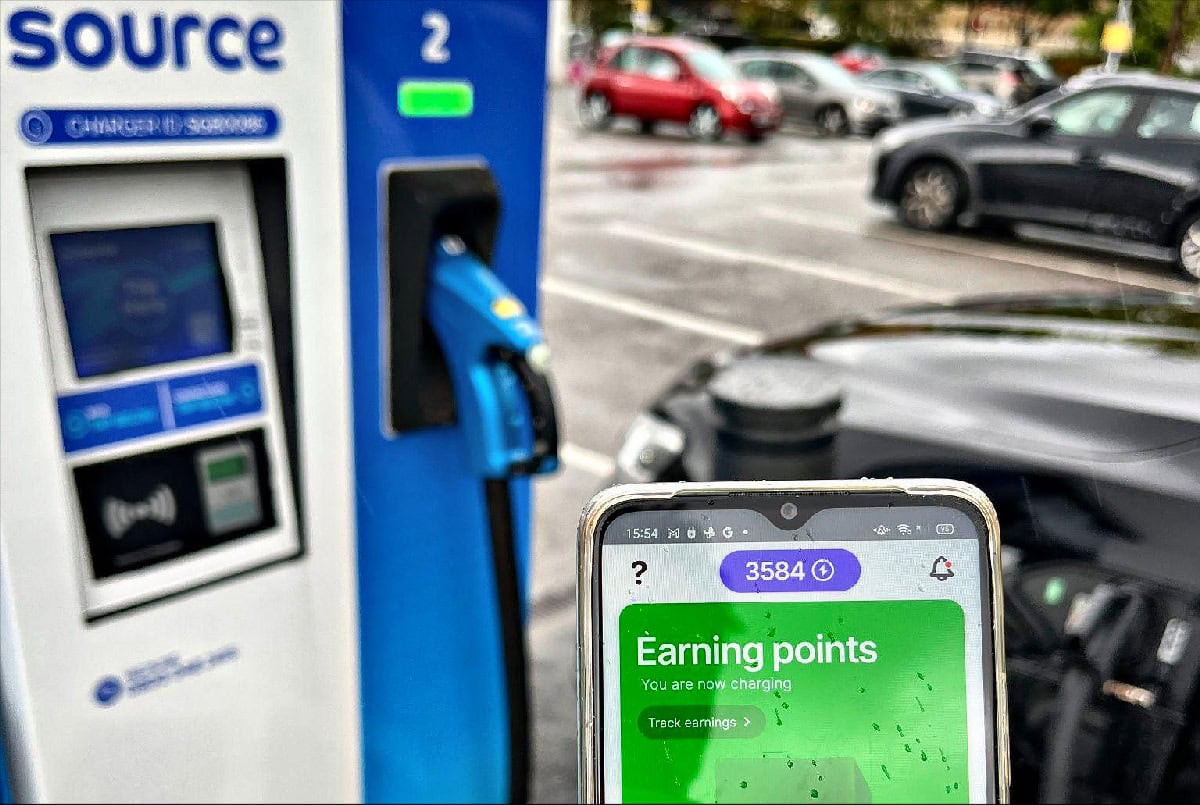
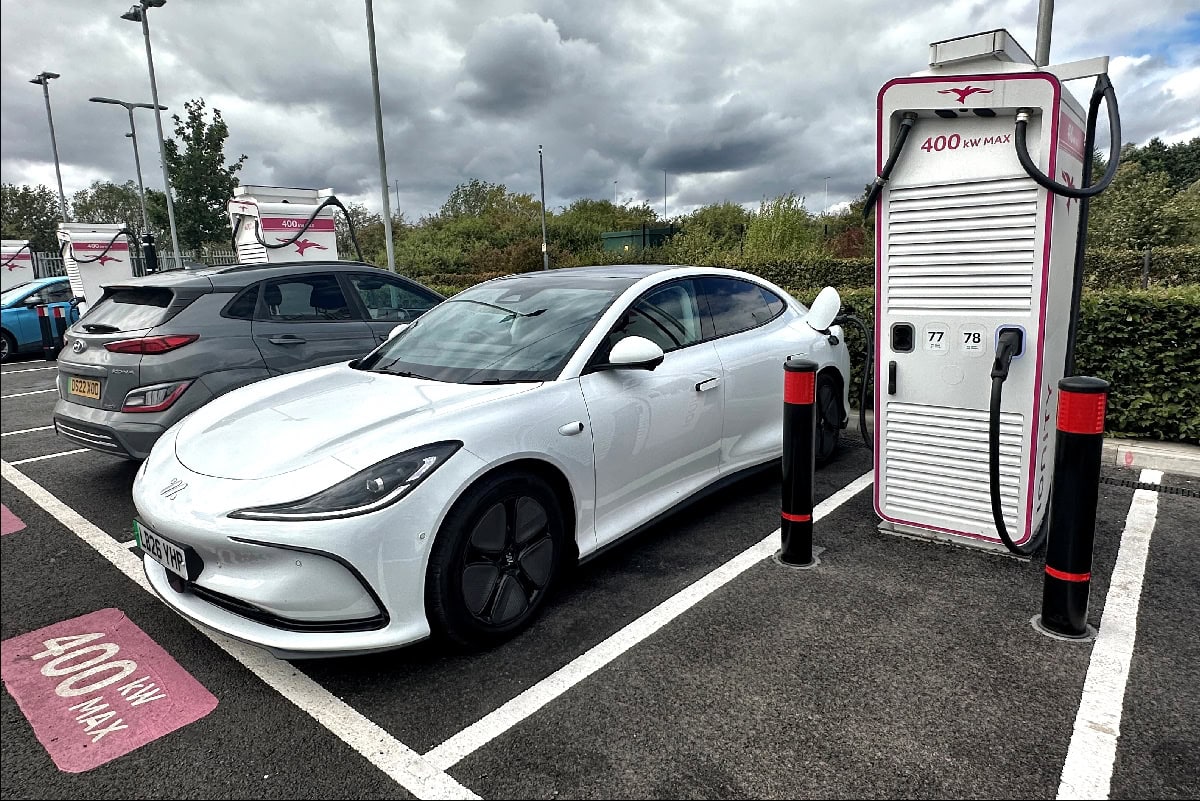
The Chancellor had been predicted to cut the 20% VAT rate on public charging to match the 5% domestic VAT rate for electricity, which would benefit drivers without access to home charging. Last week, a UK tax tribunal ruled that VAT on public vehicle EV charging should be cut from 20% to 5%. It’s not known yet whether HMRC will appeal.
However, the Government is currently consulting with the EV charging industry regarding the high cost public infrastructure, which could lead to a separate announcement that the 20% VAT rate on public charging could be slashed to 5% later in the year.
Sue Robinson, chief executive of the National Franchised Dealers Association (NFDA), which represents franchised car and commercial vehicle dealers across the UK, bemoaned the lack of new incentives for car buyers. “Today’s Spring Statement was largely an update on the UK’s economic outlook, rather than a package of new measures for businesses,” she said.
“While the Chancellor signalled improvements in public finances and borrowing, there was again no announcement of targeted measures to support consumer incentives for purchasing new vehicles. Encouraging consumer demand is critical to accelerating the transition to a greener vehicle fleet and supporting growth in UK manufacturing and retail,” Robinson added.