UK Automakers call on Labour government to offer more support to struggling EV market
| 4 October 2024, 19:19
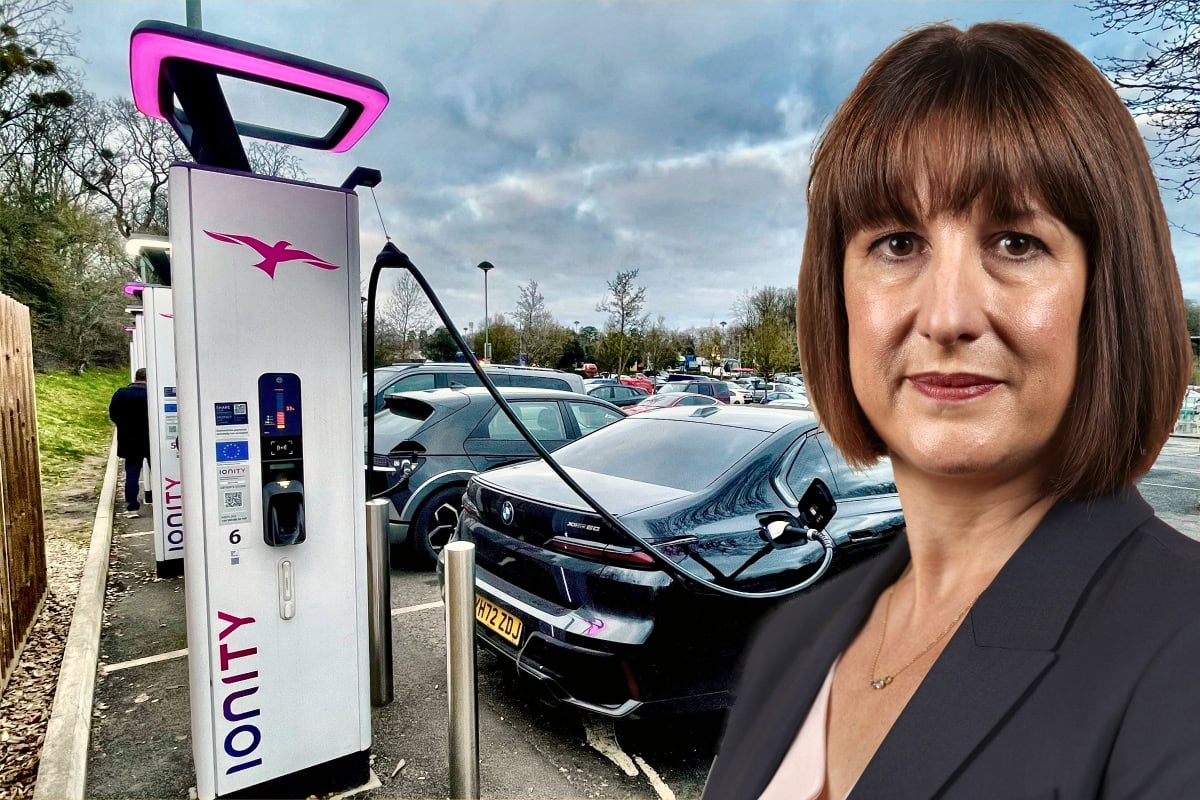
The UK automotive industry has written to chancellor Rachel Reeves (pictured), pleading for investment and incentives in the electric vehicle market.
In a letter signed by Society of Motor Manufacturers and Traders chief executive Mike Hawes and 12 car company CEOs, the industry warns it will miss out on the government’s zero emission vehicle target this year, despite record car sales in September.
The SMMT letter calls for greater government support to boost sales of electric vehicles, claiming manufacturers’ collective discounts this year worth £2 billion were unsustainable.
The letter states: “Unfortunately, the private consumer has no fiscal incentive to switch and so our ZEV market looks set to miss its target. The consequences of this will not just be environmental but economic.”
The letter is signed by heads of most automakers, including Jaguar Land Rover, Kia, Nissan, Stellantis, BMW, Mercedes-Benz, Nissan, Toyota, Polestar, LEVC and Volkswagen.
The SMMT forecasts that new EV sales in the UK will account for 18.5% of car sales by the end of the year, below the government’s 22%t target.
“Despite manufacturers spending billions on both product and market support – support that the industry cannot sustain indefinitely – market weakness is putting environmental ambitions at risk and jeopardising future investment,” said Hawes.
Manufacturers are required to pay the government £15,000 per polluting vehicle sold above the limits, or purchase credits from rival companies.
The letter states: “People are holding off such that the average age of a car on the UK’s roads has risen from 8 to over 9 years old. That is bad for the industry, bad for the government, bad for the environment.”
“The overall market remains around 20% below pre-Covid levels, with the lowest proportion of private consumer demand on record – a situation even more stark than the 2008 financial crisis that prompted the government to step in with the ‘cash for bangers’ scheme.”
“What growth there is has come from the fleet sector. Driven by fiscal incentives such as company car tax and salary sacrifice, they account for 77% of new ZEV registrations. Proof that incentivisation works. A fair transition for private consumers would afford similar support:”
Ahead of the Labour government’s first budget on October 30, car manufacturers used their letter also to call on the Chancellor to provide more incentives to drive EV sales.
These include cutting VAT at public chargers to the domestic level of 5% rather than 20%; and mandating infrastructure targets to support those who cannot charge at home – which the letter points out are both key commitments in Labour’s manifesto.
The automakers also want to see VAT halved on new car purchases, as well as extending business incentives, including lower Benefit in Kind rates for EV buyers, and renewing the plug-in van and taxi grants, which are due to end in March 2025, It also calls for larger van-sized public chargers to be made commonplace.
“We appreciate the severe constraints on the public purse, but deliver this support to consumers and the benefits are myriad,” the letter concluded. The government has made no comment regarding any planned changes.