Bolt refused Supreme Court appeal in HMRC VAT dispute
| 8 October 2026, 21:41
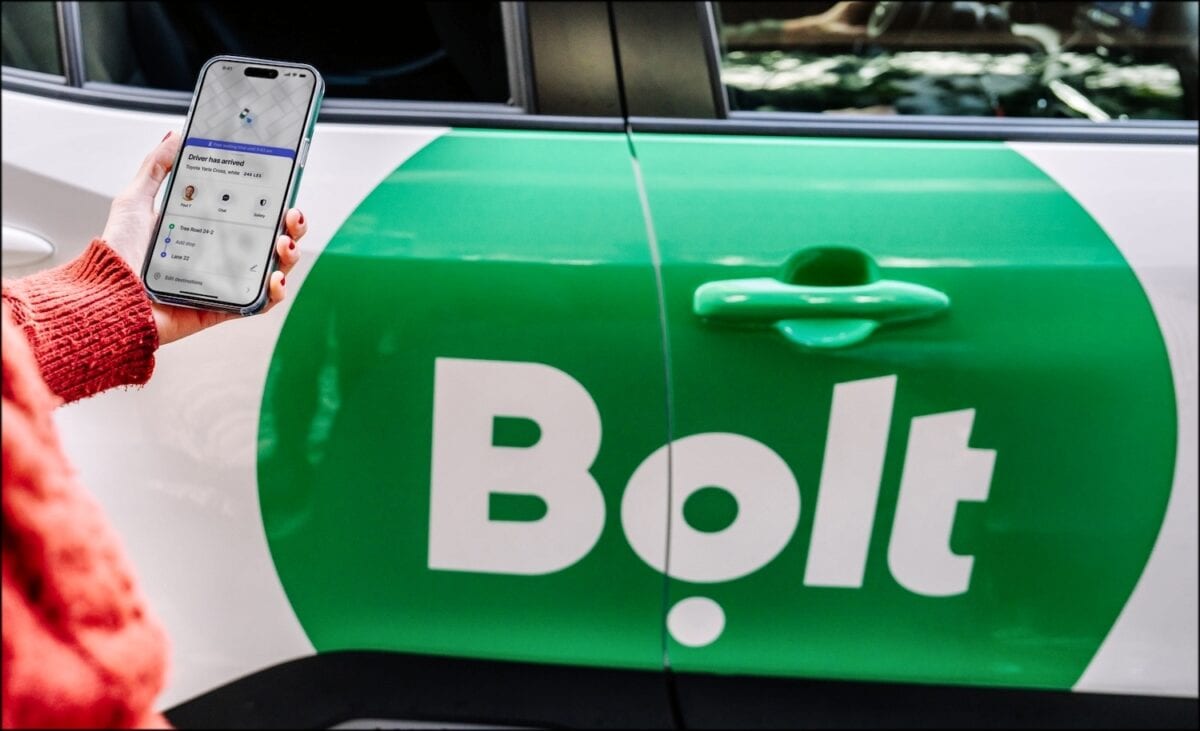
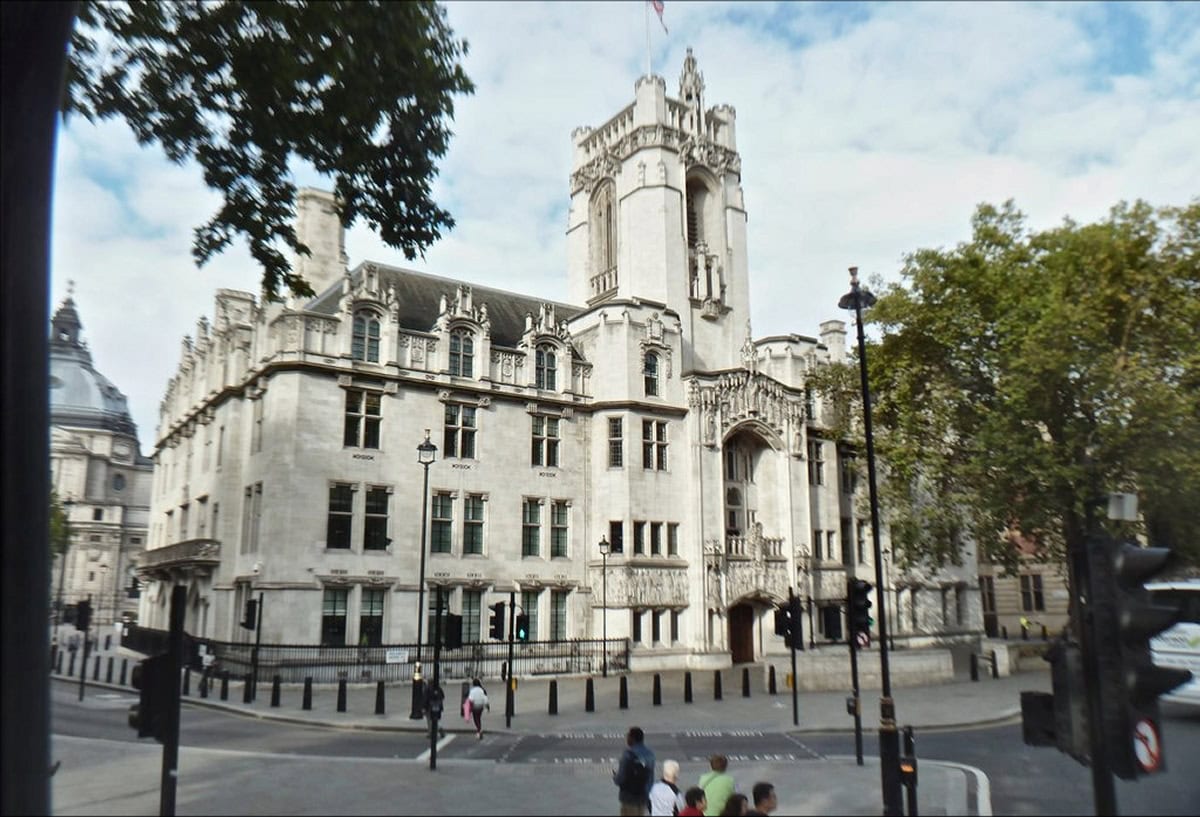
The Supreme Court has refused ride-hailer Bolt permission to appeal in its dispute with HMRC over how it charges VAT on passenger journeys.
The decision means Bolt could now be liable for an estimated £190 million in unpaid VAT – and Uber could be subject to a similar ruling, as it has a similar case passing through the courts. The Supreme Court is unlikely to give a different ruling in such a similar case.
The decision upholds HMRC’s successful appeal in June, when the Court of Appeal overturned earlier rulings that Bolt was entitled to use the Tour Operators’ Margin Scheme (TOMS). This allowed Bolt to charge VAT on its commission only (its margin) rather than the full fare.
But the Supreme Court refused Bolt’s appeal against the Court of Appeal’s decision, saying it “does not raise an arguable point of law of general public importance which the Supreme Court ought to hear at this time”.
Kimberly Hurd, Bolt’s senior general manager for the UK and Ireland, said the company was disappointed by the decision. “Two courts have already found in Bolt’s favour on this question. We are therefore disappointed that the Supreme Court has refused permission for Bolt to appeal the Court of Appeal’s findings.”
Sue Rathmell, VAT partner at law firm MHA, said: “HMRC has argued for several years that the scheme was never intended to apply to ride-hailing businesses, while operators maintained that they were entitled to use it under the existing legislation.”
She added: “The Supreme Court’s decision to refuse Bolt permission to appeal means HMRC’s victory at the Court of Appeal now stands. Uber’s case was effectively waiting in the wings behind Bolt, so this decision is likely to bring the wider litigation to a close.”
However, the position regarding VAT on private hire fares is still unclear. The Government separately changed the law from January 2, 2026, but this only appears to have removed the ability of operators to use TOMS – which was only being used by the larger ride-hailing platforms such as Bolt and Uber.
We now appear to have a situation where traditional private hire operators outside London that use the “agency model” can still charge VAT only on their operator’s commission, not the full fare. The agency model is where the customer contracts with the driver for the journey and the operator charges only a booking/dispatch fee. HMRC confirmed earlier this year that this structure is not impacted by the removal of TOMS.
This aligns with last year’s Supreme Court “Sefton” ruling involving Delta Taxis and Uber, which clarified that operators using an agency model should not be treated as the supplier of the entire journey.
Writing in the October edition of Professional Driver, tax expert Gary Jacobs of Eazitax said no actual laws have been passed to regulate the VAT situation.
“The far bigger claim, that every London operator is a principal and owes VAT on the full fare, appeared in a consultation document. It leans on the 2021 High Court ruling that London licensing law requires operators to contract with passengers as principal,” Jacobs wrote.
“That ruling was about licensing, not VAT. No VAT legislation has been changed to say that a traditional London minicab office supplies the journey. HMRC’s own guidance, VAT Notice 700/25, still describes the agency model and has not been updated. The only legislation passed, removing TOMS, says nothing about who supplies the journey. In my view, nothing has overridden that notice.”
“HMRC will say that VAT follows the contract, and the court has decided who the contract is with. But a consultation document is not law, and a licensing judgment is not a VAT ruling. Taxing a whole sector on the strength of an interpretation, with no legislation or practical guidance behind it, is asking for a fight.”
The Licensed Private Hire Car Association) believes the issue is not settled. The Association does not believe that the question of VAT on cash fares, both in London and nationally, has been resolved in a way that is fair, clear or sustainable for operators and drivers.
Bolt’s Hurd said the tax treatment had implications for the wider market. “Businesses need a tax framework that supports a competitive market. This has consequences for fares, for driver earnings and for consumer choice across the sector that earlier rulings provided – supporting the 100,000 drivers that earn through our platform, and the millions of passengers that have depended on affordable and accessible transport.”
A further complication is the Department for Transport’s “Better Connected” strategy, published earlier this year, which outlines how taxis and private hire vehicles would play a key role offering “last mile” travel and providing services during off-peak periods when traditional public transport is less available.
Effectively the DfT is admitting that private hire is part of the public transport system, and should be included in wider transport planning. This should mean that private hire should be treated the same as all other modes of public transport: buses, trams, trains, ferries, flights and hackney taxis pay no VAT.